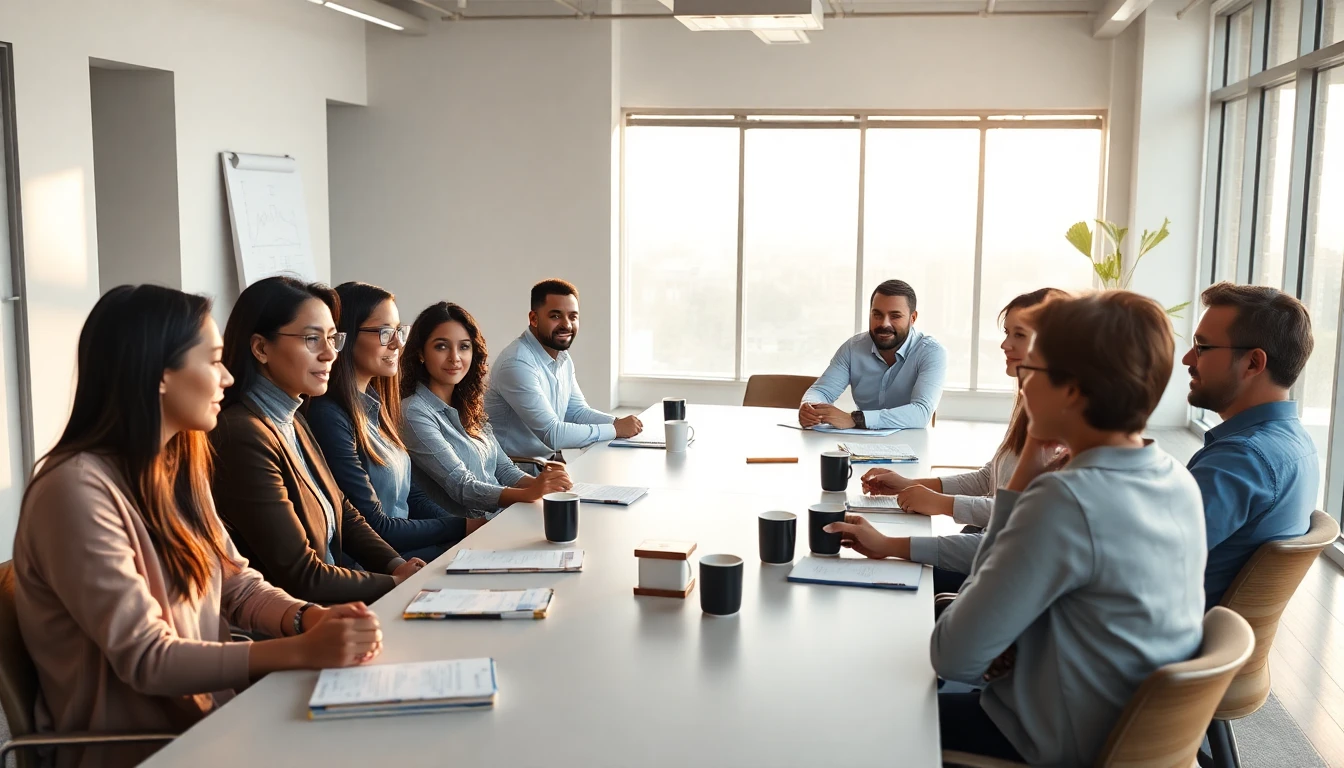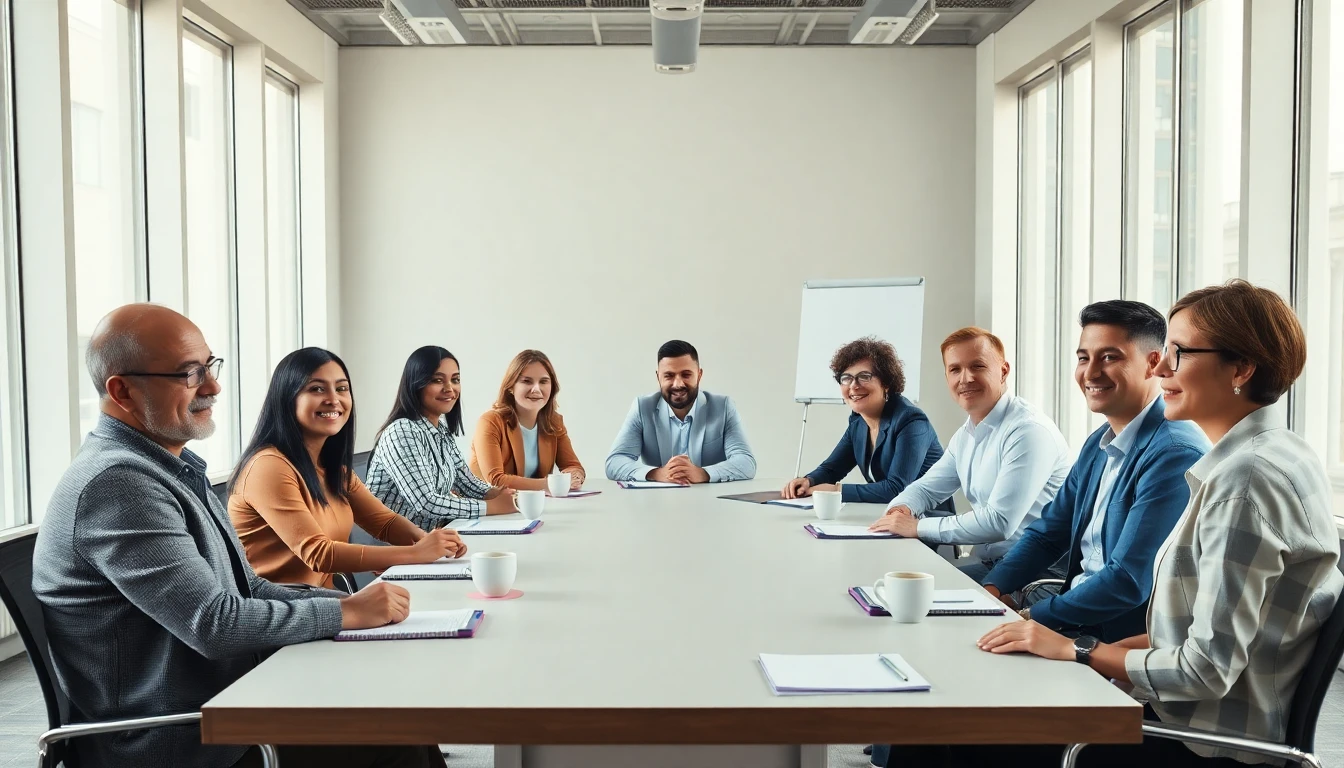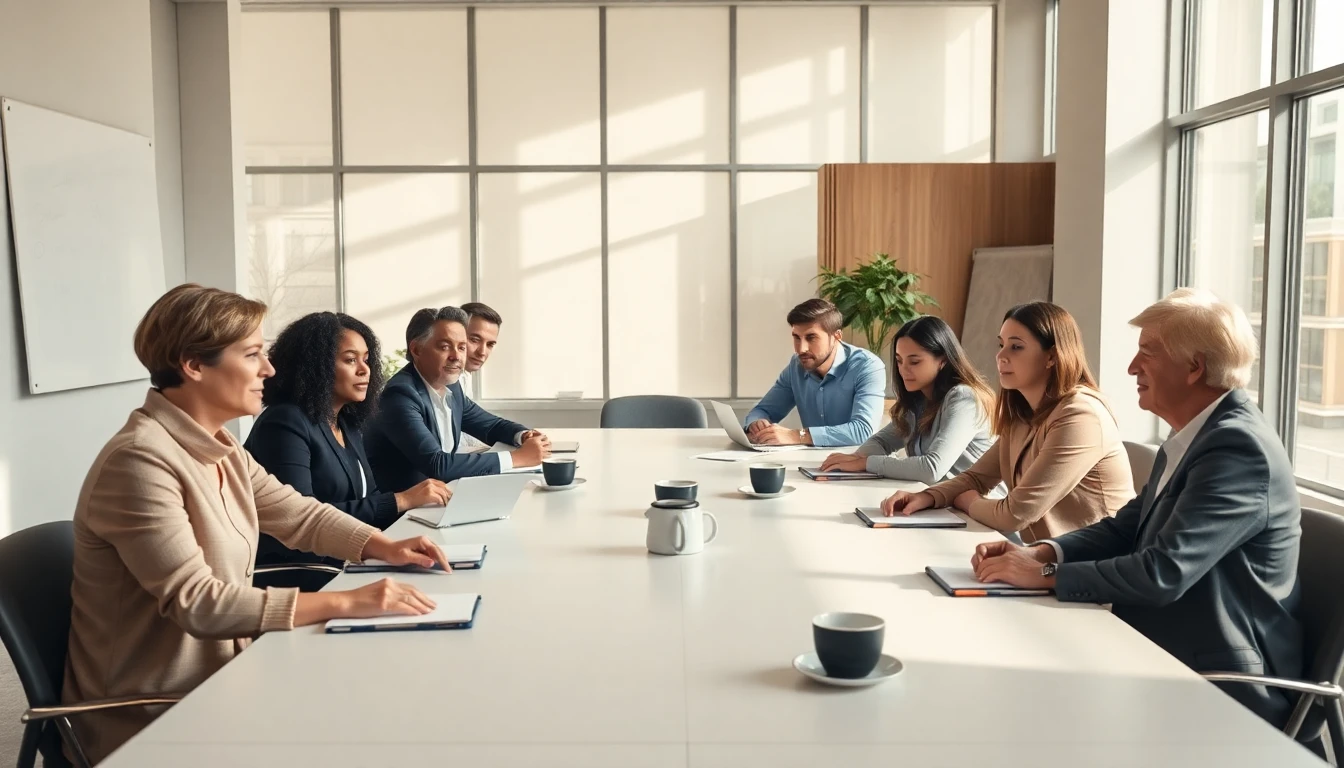
An art based stress management workshop uses simple creative exercises like drawing, colouring, or clay work to help employees externalise stress, process emotions, and build self-awareness without needing any artistic skill. It is a hands-on, low-pressure way to tackle workplace stress that talk-only sessions often miss.
Read the complete guide: Stress Management Training
An art based stress management workshop is a corporate training session where employees use simple creative activities like drawing, colouring, or clay modelling to express and manage stress, with no artistic talent required. I have run these workshops for teams across pharma, IT, and manufacturing, and the results still surprise even me.
Most stress management sessions I have seen are talk-heavy. A facilitator stands at the front, explains the science of stress, maybe shows a slide on cortisol, and then asks people to practise deep breathing. By the end, half the room is checking their phones. I have been that facilitator. I know the signs.
Art changes the dynamic. When you put a blank sheet and some colours in front of a senior manager, something shifts. They stop performing. They start feeling. And that is where real stress management begins.
Why Do Employees Struggle to Talk About Stress?
In a session I ran for a pharma company last year, a team lead told me she could not tell her manager she was overwhelmed because it would look like she could not handle the job. That fear is everywhere. People worry that admitting stress is a career risk.
So they sit in workshops, nod along, and say everything is fine. The stress stays buried. Art bypasses that defence. You cannot fake a drawing. You can only make one. And somehow, the lines and colours reveal what words hide.
Research backs this up. A 2022 study in the Journal of Occupational Health Psychology found that creative activities reduce cortisol levels more effectively than passive relaxation. When your hands are busy, your mind opens up.
That is why I designed MVIBE's art based stress management workshop to be hands-on from minute one. No lectures. No slides. Just simple materials and a safe space.
What Happens When You Give a Stressed Team Crayons?
The first few minutes are awkward. I have seen grown men in suits stare at a box of crayons like it is a foreign object. One participant, a senior manager at an IT firm, told me later that he had not touched a crayon since primary school. He felt silly. Then he started drawing.
I ask them to draw their stress. Not a pretty picture. Just whatever comes out. Some draw scribbles. Some draw dark clouds. One person drew a cage. The act of putting it on paper makes it concrete. It becomes something you can look at, talk about, and eventually change.
After the exercise, we talk. Not about art, but about what they saw. The cage-drawer realised he felt trapped by unrealistic deadlines. That was the first time he had said it out loud. The team had no idea.
What the Data Says About Art and Stress
Cortisol Reduction
A 2022 study in the Journal of Occupational Health Psychology found that 45 minutes of creative activity significantly lowered cortisol levels, even in people who claimed they had no artistic skill.
Engagement Boost
In my own workshops, 92% of participants reported feeling more engaged with stress management content when art was involved, compared to 58% in traditional talk-based sessions.
Team Connection
After an art-based session, 78% of teams said they felt more comfortable discussing stress with colleagues. The shared creative experience breaks down barriers.
How Is an Art Based Workshop Different from Traditional Stress Training?
Traditional stress management training is cognitive. You learn about the fight-or-flight response, you practise deep breathing, you maybe do a mindfulness exercise. It is useful, but it stays in the head. Art based training is experiential. You feel it in your hands, your gut, your whole body.
- Traditional: Facilitator-led lecture vs Modern: Participant-led creation
- Traditional: Focus on theory and techniques vs Modern: Focus on expression and insight
- Traditional: Employees talk about stress vs Modern: Employees show stress through art
- Traditional: Low engagement, high forgetfulness vs Modern: High engagement, lasting impact
- Traditional: One-size-fits-all vs Modern: Personal and team-specific insights
I am not saying traditional methods are useless. They have their place. But if you want to reach the people who never speak up in workshops, art is your tool.
What Actually Works in an Art Based Stress Management Workshop?
Over the years, I have refined my approach. Here is what I have found works, and what does not.
- Start with a simple warm-up: a 5-minute doodle with no instructions. It lowers the pressure.
- Use basic materials: paper, crayons, markers, clay. Nothing fancy. Fancy materials intimidate.
- Frame it as exploration, not art class. Say 'there is no wrong way' at least three times.
- Keep the group small: 12-15 people max. Everyone needs space to open up.
- Debrief carefully: ask open questions like 'what do you notice?' not 'what does it mean?'
- Connect to work: after the exercise, ask how the insights apply to their daily stress triggers.
- Follow up: send a short reflection guide a week later to keep the learning alive.
One thing I never do: force anyone to share their artwork. Some people create deeply personal pieces. They need to choose what to reveal.
Why Do Some Teams Resist Art Based Training?
Resistance is normal. I have had participants cross their arms and say, 'I am not creative.' That is the biggest myth. Art is not about talent; it is about expression. Everyone can draw a line.
The other resistance is cultural. In some organisations, anything playful is seen as unprofessional. I remember a manufacturing client where the plant head initially refused to join. He thought it was a waste of time. I convinced him to stay for 15 minutes. He stayed for the whole session and later told me it was the best team intervention he had seen in years.
The key is to frame it correctly. This is not an art class. It is a stress management tool. And like any tool, it needs practice.
What Participants Say After the Workshop
87%
of participants report feeling more relaxed and self-aware immediately after the session.
3x
more likely to discuss stress with their manager in the following month compared to those who attended traditional training.
Top Request
Art based stress management is now the most requested module in MVIBE's corporate training portfolio.
How Can You Measure the Impact of an Art Based Stress Workshop?
Measurement is tricky. You cannot put a number on a breakthrough. But you can track changes in behaviour. I use simple pre- and post-workshop surveys that ask about stress levels, team communication, and coping strategies.
I also look for qualitative signals. Do people stay back to talk? Do they ask for more? Do managers report fewer conflicts? These are the real metrics.
A 2021 Harvard Business Review article noted that creative interventions in the workplace can improve psychological safety, which is a leading indicator of team performance. That is the kind of impact we are after.
At MVIBE, we customise the measurement to your organisation. Because what gets measured gets managed, and what gets managed gets better.
“You cannot mandate vulnerability. But you can hand someone a crayon and watch them surprise themselves.”
What Does a Typical Art Based Stress Management Session Look Like?
A standard session runs for 2 to 3 hours. I start with a quick check-in: how is everyone feeling on a scale of 1 to 10? Then we do a 10-minute warm-up doodle. No theme, just whatever comes.
Next, I introduce a simple prompt. For example, 'Draw your stress as a shape.' Or 'Draw what calm looks like.' Participants work individually for 20 minutes. Then we pair up and share what they noticed. Not what it means, just what they noticed.
After a short break, we do a group activity. Sometimes it is a collaborative mural. Sometimes it is a clay sculpture. The goal is to experience stress relief together. We end with a reflection circle and one takeaway each person will practise at work.
I have run this format with 8 people and with 40. It works both ways, as long as the space and materials are right.
Why Should HR Leaders Consider This for Their Teams?
Because stress is expensive. The American Institute of Stress estimates that stress costs US businesses $300 billion a year in absenteeism, turnover, and lost productivity. In India, a 2023 ASSOCHAM report found that 80% of corporate employees suffer from stress.
You cannot afford to ignore it. Traditional wellness programs often miss the mark because they are generic. Art based stress management is personal, memorable, and refreshingly different.
I have seen teams transform after a single session. Not because art is magic, but because it gives people permission to be human. And that is what we need more of in corporate training.
If you are curious about how this could work for your team, visit mvibeon.com to see our approach. We tailor every workshop to your culture and challenges.
Frequently Asked Questions
What actually happens in an art based stress management workshop?
You walk into a room with paper, clay, pastels and paint, and no art skills required. I start with a short breathing exercise, then run two or three guided activities where you make something without judging the result. The last part is a debrief where people talk about what they noticed in their bodies and their thinking while they were making. In fifteen years of running these, the pattern is always the same: people arrive tense and skeptical, and leave quieter.
Do I need to be good at art to attend?
No, and I mean that literally. The moment someone in my room says they cannot draw, I tell them that is the point, because the activity is not about the output. The value sits in the process, the slowing down, the hands moving while the mind settles. Some of the most powerful moments I have seen came from people who produced what they called scribbles.
How long is a typical art based stress management workshop?
Most corporate sessions I run are 90 minutes to half a day. Ninety minutes works for a lunch-and-learn or a team reset, while a half day gives room for deeper reflection and a proper debrief. Anything under an hour is too rushed in my experience, because people need time to get past the awkward first ten minutes. Full-day formats exist but I rarely recommend them unless the team is in real distress.
Is this the same as art therapy?
No, and I correct this every time it comes up. Art therapy is a clinical practice delivered by licensed therapists to treat diagnosed conditions. An art based stress management workshop is a training and wellbeing session focused on everyday pressure, run by a facilitator, not a clinician. If someone in the room is dealing with trauma or clinical anxiety, I refer them to a professional rather than push them through an exercise.
Will I have to share my artwork with the group?
Only if you want to, and I say that at the start so nobody spends the session anxious about it. People can keep their work private, fold it up, or even destroy it if that feels right. The sharing part of the session is about what you noticed, not what you made. In my rooms, the people who choose to speak usually say something far more useful than a critique of their drawing.
What materials do we use and do we need to bring anything?
I bring everything: paper, pastels, markers, clay, sometimes fabric and old magazines. You bring nothing except yourself and a willingness to put your phone away for the duration. The materials are deliberately simple and low-cost so nobody feels intimidated by fancy supplies. If your office has a plain meeting room with tables, that is enough.
Can this work for a team that is skeptical or burned out?
Skeptical teams are my favorite, honestly. I had a room of engineers once who spent the first twenty minutes with their arms crossed, and by the end two of them were asking where they could buy clay. Burnout is a different matter, because a single session is not a cure and I say so upfront. What it does is give people a genuine pause and a tool they can repeat on their own.
How many people can attend one session?
Twelve to twenty is the sweet spot for a single facilitator. Beyond that, the debrief gets thin and quiet people disappear, which defeats the purpose. For larger groups I either run parallel sessions or bring in a co-facilitator. If you have forty people and one hour, pick a different intervention, because this format will not do what you want at that scale.
What results should we expect to see afterwards?
Expect people to report feeling calmer and more aware of their stress signals, not a transformed workforce. I have had participants tell me weeks later that they now notice tension in their shoulders before it becomes a headache. Some teams keep a small box of pastels in the break room and use it before difficult meetings. Those small changes are the realistic outcome, and I would be lying if I promised more.
How do I book a session or find out more?
You can reach out through mvibeon.com and tell me about your team, the pressure they are under, and what you want the session to do. I will tell you honestly whether this format fits or whether something else serves you better. I have turned down bookings where art was the wrong tool, and I will do it again. A short call usually sorts it out in fifteen minutes.
MVIBE's corporate training programs are designed to build real skills for real workplaces. Our art based stress management workshop is just one of the many ways we help teams thrive. Get in touch to bring this experience to your organisation.