
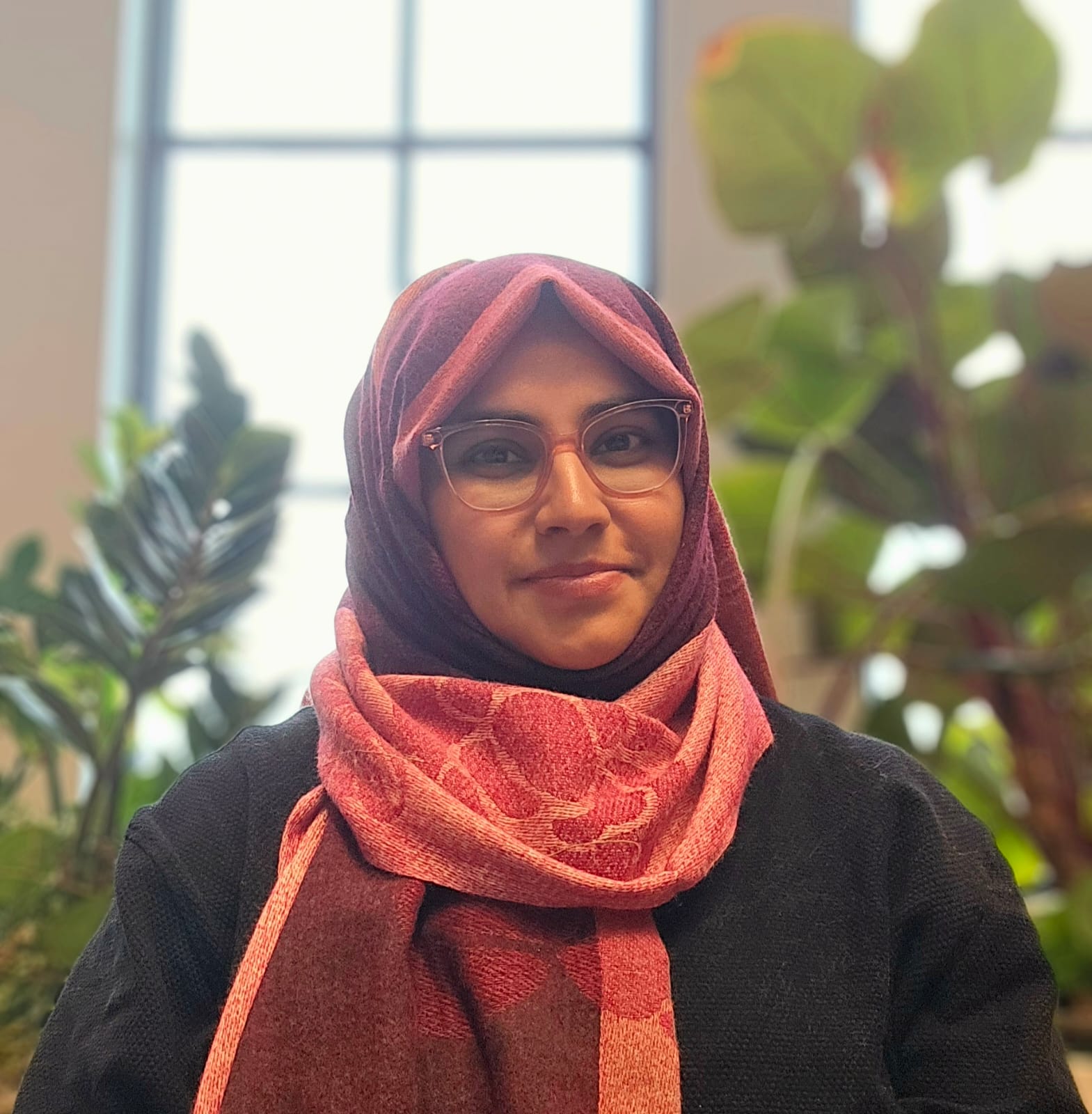

A corporate training facilitator in UAE is the person who designs and delivers learning experiences that change behaviour, not just transfer information. They bridge the gap between knowing and doing, using real-world practice and feedback.
A corporate training facilitator in UAE is the person who designs and delivers learning experiences that change behaviour, not just transfer information. They don't stand and lecture. They create the conditions where your people practice, stumble, and get back up. I've been doing this for 15 years across Dubai, Abu Dhabi, and the wider GCC, and I can tell you the difference between a trainer and a facilitator is the difference between a monologue and a conversation.
When I walk into a boardroom in Dubai or a training hall in Sharjah, I see the same challenge. People are busy. Their inboxes never stop. And they've sat through enough death-by-PowerPoint sessions to last a lifetime. So my job is not to add more noise. My job is to make learning stick, and that takes a specific set of skills that go beyond reading slides.
What Happens When You Pick the Wrong Facilitator?
I've seen companies spend a fortune on a trainer who talks at people for eight hours. The feedback forms look great on day one. But ask the participants a month later what they remember, and you'll get blank stares. That's the cost of a bad facilitator: wasted time, wasted money, and a team that's even more cynical about training.
In a session I ran for a pharma company last year, the HR director told me they'd had a 'motivational speaker' fly in from London. The guy did a great show. But none of the managers could tell me how to handle a difficult conversation with a direct report. That's not training. That's entertainment.
Why Do Teams Fail at Applying What They Learn?
The biggest reason training fails is the gap between theory and practice. People hear a concept and nod along. But they never get the chance to try it in a safe space. A good facilitator builds drills, role-plays, and simulations that force people to use the skill right there. That's how neural pathways get wired.
According to the 2023 LinkedIn Workplace Learning Report, 74% of employees say they'd learn more if training were more engaging and interactive. That's not a secret. Your people are practically begging for a different approach. The old model of 'sit and listen' is dead, and the UAE job market is too fast-moving for that.
One of my participants, a senior manager at an IT firm, told me after a negotiation workshop: 'I've been to ten negotiation courses, but this is the first time I actually had to do it, not just talk about it.' That's the difference. You don't learn to swim by reading a book about swimming.
What Most Trainers Teach vs What Actually Works
Most trainers teach models and frameworks. They hand you a 50-page PDF and expect you to apply it. What actually works is practice and feedback. I'm not saying theory is useless. But theory without practice is like a recipe you never cook.
- Traditional trainer: 'Here are the 7 steps to effective communication.'
- Modern facilitator: 'Here's a scenario. You have 90 seconds to respond. Go.'
- Traditional trainer: 'Let's take a break and come back for more slides.'
- Modern facilitator: 'Let's debrief what just happened and what you'll do differently tomorrow.'
I've built my whole methodology around this. At MVIBE, we don't just talk about soft skills. We create uncomfortable, realistic situations where you have to think on your feet. That's where the learning happens. And that's why companies like yours keep coming back to mvibeon.com for their corporate training needs.
How Do You Pick the Right Facilitator in the UAE?
Ask them one question: 'What will my people be able to do differently when we walk out?' If they can't answer that in one sentence, keep looking. A real facilitator focuses on behaviour change, not content delivery.
Check their track record. Have they worked with companies of your size and industry? Do they understand the cultural nuances of the UAE workforce? A facilitator who's only worked in London or New York might not get the dynamics of a mixed-nationality team in Dubai.
And look at their materials. Are they customised to your business, or are they selling you a one-size-fits-all package? I've seen too many 'off the shelf' programs that ignore the specific challenges your industry faces. That's lazy, and it doesn't work.
“The best training feels less like school and more like a rehearsal for real life. If your people aren't sweating a little, you're not learning.”
What Does a Modern Corporate Training Facilitator in UAE Look Like?
The modern facilitator is part coach, part designer, part provocateur. They're fluent in the latest research on adult learning, but they don't hide behind jargon. They can read a room and adjust on the fly. They're comfortable with silence and conflict.
A Harvard Business Review study from 2021 found that the most effective training programs are those that use spaced learning and social reinforcement. That means one-off workshops are not enough. The facilitator needs to build in follow-ups and peer learning. That's how habits form.
In my work with a logistics company in Jebel Ali, we didn't just do a two-day workshop on leadership. We did a series of sessions, with real projects in between. The managers had to apply the skills with their teams, and we debriefed each time. The results were measurable: employee engagement scores went up 20% within six months.
- Ask for a sample agenda. Does it include time for practice, or is it all talking?
- Demand measurable outcomes. What will you track, and how?
- Insist on follow-up. One-off sessions are a waste of money.
Don't settle for a talking head. You deserve a partner who's invested in your team's growth. And that's exactly what we offer at MVIBE. Visit mvibeon.com to see how we can help your team thrive.
Why Is the UAE a Unique Place for Corporate Training?
The UAE is a melting pot of cultures. You might have Emiratis, Indians, Filipinos, Brits, and Egyptians in the same room. That's a richness, but it also creates communication challenges. A facilitator needs to be culturally intelligent, not just knowledgeable about the content.
I remember running a communication workshop in Abu Dhabi where a participant from a high-context culture said something that sounded like a yes, but it meant maybe. A facilitator who doesn't understand those nuances would have missed the entire point. That's why local experience matters.
McKinsey's 2022 report on the future of work highlighted that soft skills like adaptability and emotional intelligence are becoming the most in-demand skills in the Gulf region. The market is changing, and your team needs to keep up.
So, if you're looking for a corporate training facilitator in UAE, don't just pick the first name on Google. Look for someone who's walked your halls, who understands your people, and who can make a real difference. That's what I've built my career on, and that's what MVIBE stands for.
At MVIBE, we specialise in soft skills and corporate training that actually change behaviour. Whether it's leadership, communication, or emotional intelligence, we bring the experience and the science. Check out our programs at mvibeon.com and let's start a conversation.
Frequently Asked Questions
What does a corporate training facilitator in UAE actually do?
A corporate training facilitator in UAE designs and delivers learning experiences that change how people work. I spend my days in boardrooms and training halls across Dubai and Abu Dhabi, running workshops on leadership, communication, and team dynamics. It's not about reading slides; it's about getting people to think, question, and practice new behaviors. I've seen a group of engineers become better listeners in a four-hour session, and that's the real job.
How is a corporate training facilitator different from a trainer?
A trainer typically transfers knowledge, while a facilitator guides the learning process. In my sessions, I rarely stand at the front and lecture. I set up activities, ask tough questions, and let the group work through challenges. The difference is that participants remember what they discovered themselves, not what I told them. That's why facilitation is more effective for changing behavior.
What qualifications do you need to be a corporate training facilitator in UAE?
You need a mix of education, experience, and soft skills. Many facilitators have a degree in HR, psychology, or business, plus certifications like CPLP or a coaching credential. But the real qualification is years of standing in front of diverse groups and learning to read the room. I've hired facilitators who had all the certificates but couldn't handle a resistant audience. So, practical experience matters just as much.
How much do corporate training facilitators charge in UAE?
Fees vary wildly based on reputation, content, and company size. A freelance facilitator might charge AED 3,000 to AED 10,000 per day, while established firms can go higher. I've seen six-figure contracts for large-scale leadership programs. The key is to match the price to the business impact, not just the hours. My advice: always ask for a custom proposal because off-the-shelf pricing rarely fits.
What are the best corporate training companies in Dubai?
There are many good ones, but the best fit depends on your needs. Some focus on compliance, others on leadership, and a few, like mine at MVIBE, specialize in behavioral change. I've seen companies waste money on big names that deliver generic content. Look for a partner who will tailor the program to your culture and challenges, not just send a standard deck.
How do I choose a good corporate training facilitator in UAE?
First, ask for a demo or a video of them in action. You need to see if they engage people or just talk. Second, check their references and ask about the business results, not just satisfaction scores. Third, have a conversation to see if they understand your industry's realities. I've walked into many companies where the facilitator had never worked in their sector, and it showed.
Why do companies in UAE hire corporate training facilitators?
Companies hire us to solve problems: low productivity, poor communication, or high turnover. In the UAE's fast-paced environment, they also need to onboard new talent quickly and build leadership pipelines. I've worked with firms that wanted to ready their managers for expansion into new markets. Sometimes it's about compliance, but most times it's about performance.
What is the average duration of a corporate training session in UAE?
Most sessions run from half a day to three days. Half-day workshops work well for awareness, while behavior change needs at least two full days. I've run week-long leadership intensives for executive teams. The trick is to space out sessions so people can apply what they learn. One-off sessions rarely stick.
Can corporate training be done online in the UAE?
Yes, but it's not the same as face-to-face. Virtual facilitation requires more structure and shorter bursts. I've run successful online workshops for teams across Dubai and Abu Dhabi, but they needed pre-work and strong engagement tools. For deep behavioral change, I still prefer in-person. The energy in a room with twenty people practicing a new skill beats a screen.
The last thing I'll say is this: don't wait for a crisis to invest in your people. The best time to build skills is before you need them. The second best time is now. Let's get to work.