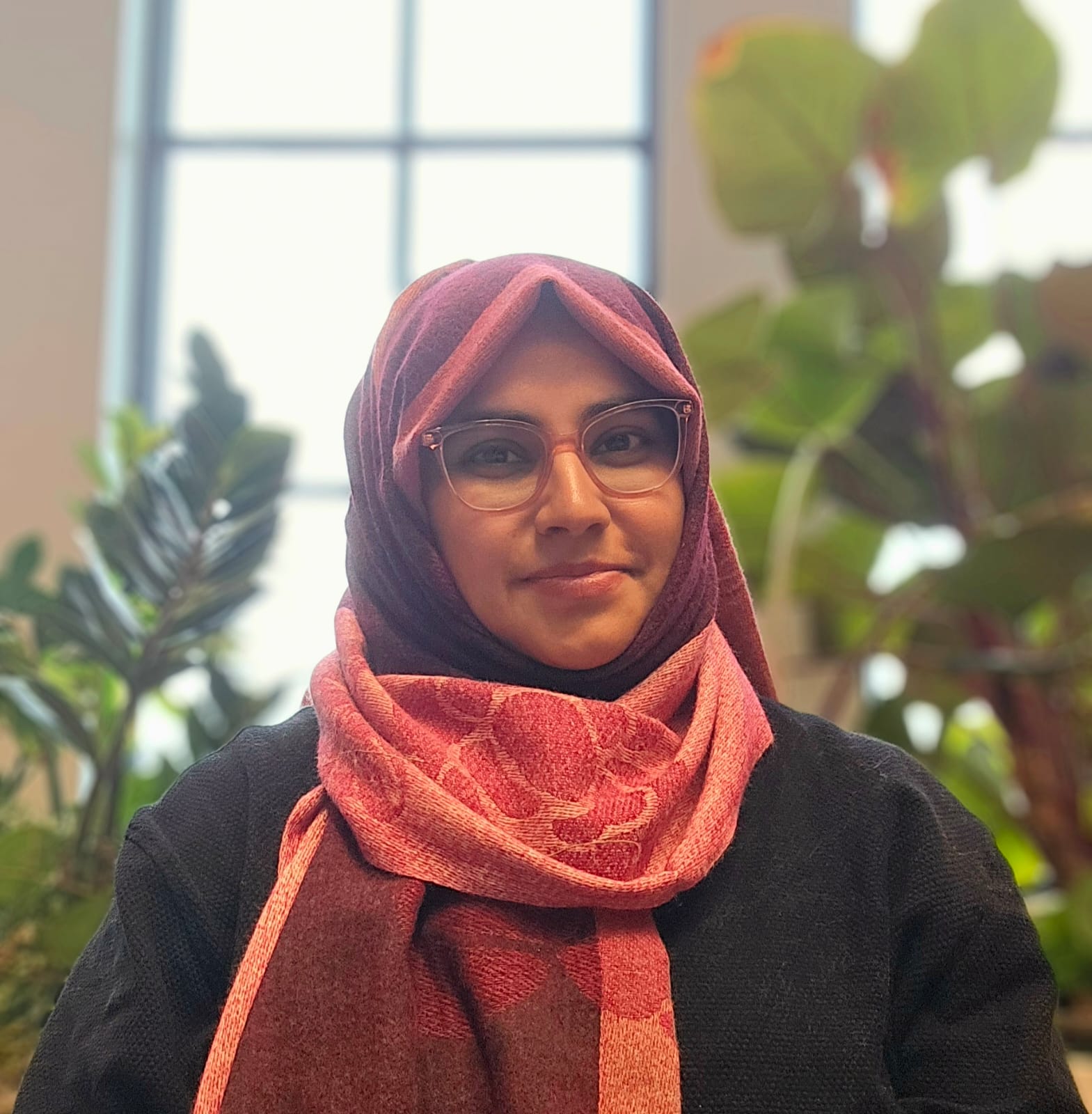

Employability skills training for students means teaching them the soft skills, professional behaviors, and workplace readiness that employers actually demand beyond academic grades. I am Mahirah, founder of MVIBE, and after training thousands of graduates, I know what truly gets them hired.
Employability skills training for students is the deliberate practice of behaviors, communication habits, and professional mindsets that make a fresh graduate ready for the workplace. It is not about resume formatting or interview tips alone. It is about teaching a student how to show up, think on their feet, and collaborate without drama.
I have been in corporate training for over 15 years. I have trained teams at Fortune 500 companies, Indian enterprises, and GCC organizations. And I have seen the same gap over and over: students walk out of college with degrees but zero ability to function in a real office.
Last year, I ran a session for a pharma company that hires 200 fresh graduates every quarter. The HR head told me, 'Mahirah, we can teach them the technical stuff in a week. But we are wasting months trying to fix their attitude, email etiquette, and meeting behavior.' That is the problem employability skills training solves.
What Do Employers Actually Want from Freshers?
Every year, I review the same surveys. LinkedIn's 2023 Workplace Learning Report said that 89% of talent professionals believe soft skills are increasingly important. McKinsey's research from 2022 showed that by 2030, demand for social and emotional skills will grow by 26% across all industries.
But let me tell you what I hear from actual hiring managers. They want a fresher who can write an email without sounding like a robot. They want someone who can disagree with a senior without being rude. They want a person who takes ownership instead of saying 'that is not my job.'
One of my participants, a senior manager at an IT firm, told me, 'I would rather hire a B-grade student with A-grade attitude than the reverse.' That stuck with me. Technical skills are cheap to teach. Character and professionalism are not.
Key Data Points on Employability Skills Gap
73% of employers
struggle to find graduates with the right soft skills, according to a 2022 report by the National Association of Colleges and Employers (NACE).
Only 41% of students
feel their college prepared them for the workplace, per a Gallup survey from 2021. The rest are left to figure it out on the job.
150% ROI
is what companies see from investing in soft skills training, as per a 2020 study by the University of Michigan and the International Journal of Training and Development.
Why Do Traditional College Programs Fail at This?
Colleges are designed to teach theory. They test memory, not behavior. A student can ace a business communication exam and still send an email that begins with 'Hey' and ends with no signature. I have seen it happen.
The problem is that employability skills are not taught. They are caught. Students need practice, feedback, and real-world scenarios. They need to be put in situations where they have to negotiate a deadline, handle an angry client, or present to a room full of skeptics.
Most college programs do not provide that. They treat soft skills as a lecture subject. You cannot learn teamwork by sitting in a classroom and listening. You have to experience conflict, resolve it, and reflect on it.
- Students are rarely given structured feedback on their communication style.
- Group projects often allow free riders, so no one learns accountability.
- Presentations are graded on slides, not on presence, voice, or handling questions.
What Makes Employability Skills Training Different?
Good training is not a lecture. It is a rehearsal. At MVIBE, we design sessions where students practice real workplace scenarios. They handle a mock performance review. They negotiate a project timeline. They apologize for a mistake in a professional way.
I remember a batch of engineering students I worked with in Bangalore. On day one, they could barely make eye contact. By day three, they were running a mock team meeting and giving constructive feedback to each other. That is the power of practice.
We also focus on mindset. Most students walk in thinking that the world owes them a job. We challenge that. We talk about ownership, resilience, and what it means to be reliable. These are not buzzwords. They are behaviors we can measure and improve.
“You cannot teach professionalism in a PPT slide. You have to put a student in front of an angry client, let them stumble, and then show them how to recover. That is where the learning happens.”
What Are the Core Skills That Must Be Taught?
- Professional communication: email etiquette, phone calls, instant messaging tone.
- Collaboration: giving feedback, receiving criticism, resolving conflicts.
- Accountability: owning mistakes, meeting deadlines, following through.
- Adaptability: handling change, learning new tools quickly, staying calm under pressure.
- Presentation skills: structuring thoughts, using voice, handling Q&A.
But the list is not enough. Each skill needs to be broken down into micro-behaviors. For example, professional communication is not just 'write clearly.' It is about subject lines, greetings, tone, sign-offs, and response time. We teach that in granular detail.
In one of my sessions for a GCC organization, we spent an entire hour on email subject lines. Participants thought I was crazy. By the end, they realized that a good subject line can double your response rate. That is the kind of practical insight that sticks.
How Do You Measure Employability Skills Improvement?
You cannot measure behavior with a multiple-choice test. We use before-and-after video recordings. Students give a one-minute pitch on day one. They give the same pitch on day three. The difference is visible: posture, eye contact, clarity, confidence.
We also use peer feedback and self-reflection. Students rate each other on specific criteria like 'listens without interrupting' or 'acknowledges others' ideas.' Over time, the scores improve. More importantly, the habits stick.
A 2021 study by the World Economic Forum found that companies that invest in soft skills training see a 10-15% increase in employee performance. That is not just theory. That is what I have seen in my own clients.
What Happens When Colleges Integrate This Training?
I worked with a university in Pune that embedded our program into their final-year curriculum. Within six months, their placement rate went up by 22%. The HR partners started calling the dean to say, 'Your students are different. They are ready.'
That is the result you get when you treat employability skills as a core subject, not an add-on. Students become confident. They interview better. They keep their first job longer. Everyone wins.
But most institutions still resist. They say, 'We do not have time.' My answer is always the same: You cannot afford not to make time. The cost of a bad hire is 30% of that person's annual salary, according to the U.S. Department of Labor. That is a lot of money.
Frequently Asked Questions
What is employability skills training for students?
It is training that focuses on the soft skills and professional behaviors that employers look for beyond technical knowledge. This includes communication, teamwork, problem-solving, professionalism, and adaptability. It prepares students to transition smoothly from college to the workplace.
Why is employability skills training important for students?
Because academic grades alone do not guarantee a job. Employers consistently report that graduates lack essential workplace skills. Training fills that gap, making students more hireable and successful in their first roles.
What skills are covered in employability skills training?
Core skills include professional communication, collaboration, accountability, adaptability, and presentation skills. Programs often also cover resume writing, interview skills, and networking. At MVIBE, we customize based on the student's industry.
How long does it take to see results from such training?
Behavior change can start in as little as a few days if the training is immersive and practice-based. However, lasting habits require reinforcement over weeks or months. Our programs typically run 2-5 days with follow-up assignments.
Can employability skills be taught online?
Yes, but it requires interactive methods like role-plays, breakout rooms, and video feedback. Passive webinars do not work. At MVIBE, we deliver both in-person and virtual sessions that keep students engaged through real-time practice.
What is the difference between employability skills and soft skills?
Soft skills is a broader term that includes personal attributes like empathy and creativity. Employability skills are a subset of soft skills that directly impact job readiness and performance. They are more focused on workplace-specific behaviors.
How do I choose an employability skills training provider?
Look for providers with real corporate experience, not just academic trainers. Ask for case studies, client testimonials, and a sample session. The training should be interactive, not lecture-based. At MVIBE, we share our track record openly.
Is employability skills training only for final-year students?
No, it is beneficial from the first year. Early exposure helps students build habits over time. But it is most critical in the final year when they are about to enter the job market. We offer programs for all levels.
If you are an educator, HR leader, or student wondering where to start, visit mvibeon.com. We have designed programs specifically for students that bridge the gap between college and career. Our approach is practical, data-driven, and backed by 15 years of training experience.
Do not let another batch of graduates walk into the job market unprepared. Invest in employability skills training today. Your students will thank you, and so will their future employers.