
Corporate Training

    Why Public Speaking Training for Students Is Non-Negotiable?

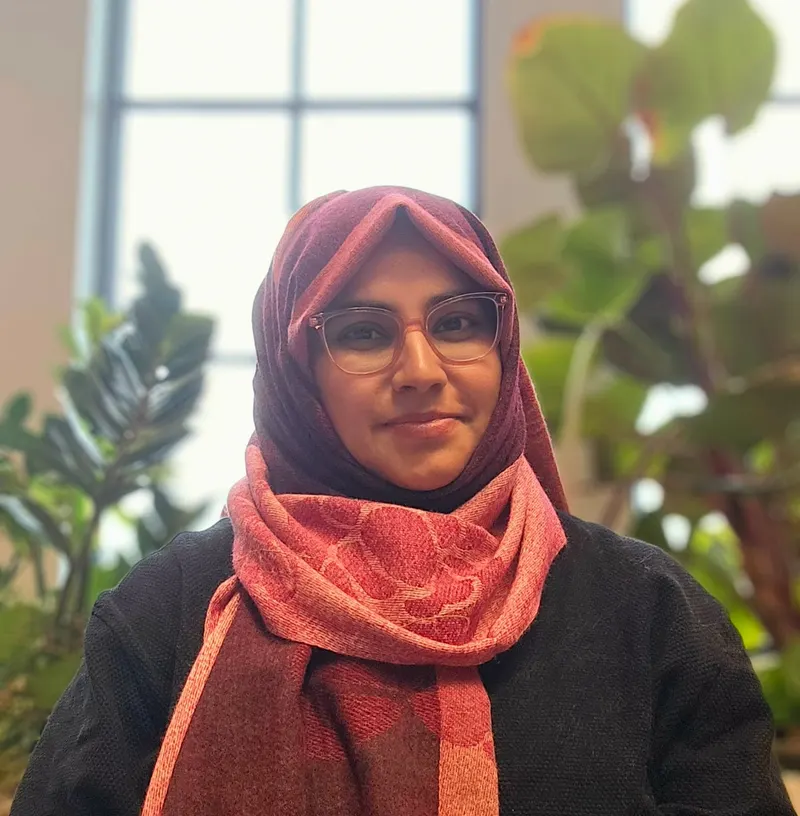
    Mahirah

    Mahirah

    Executive Facilitator | Soft Skills Trainer | Life Coach | Founder – MVIBE

    June 202610 min read read
    Why Public Speaking Training for Students Is Non-Negotiable?

    Public speaking training for students is a structured program that builds confidence, clarity, and composure when presenting ideas. It goes beyond just talking in front of a class - it's about thinking on your feet and connecting with any audience.

    Public speaking training for students is a structured program that builds confidence, clarity, and composure when presenting ideas. It's not about memorizing scripts. It's about learning to think on your feet and connect with people in the room.

    I've run hundreds of workshops for college students and young professionals. The ones who take public speaking seriously before they hit the corporate world always have an edge. They get noticed faster, they get promoted sooner, and they don't freeze in meetings.

    Most people think public speaking is a natural gift. It's not. It's a skill you can learn, practice, and master. I've seen shy, introverted students become confident speakers in just a few weeks.

    What Happens When Students Skip Public Speaking Training?

    They miss out. Plain and simple. In a session I ran for an engineering college last year, a student told me he would rather fail a subject than present in front of the class. That's the level of fear we're dealing with.

    According to a 2023 LinkedIn Workplace Learning Report, communication skills are the top soft skill employers look for. Yet most students graduate without any formal training in public speaking. That's a gap that costs them job offers and promotions.

    I've seen it firsthand. A bright engineer from a top Indian institute couldn't crack his final interview because he couldn't articulate his project work. He had the technical skills but zero presentation skills. He lost the offer to a less technical but more articulate candidate.

    Why Do Students Fear Public Speaking More Than Exams?

    Because exams are predictable. You know what's coming. Public speaking is unpredictable. You have to deal with real-time reactions, tough questions, and your own nerves.

    In my workshops, I ask participants to rate their fear on a scale of 1 to 10. Most say 8 or 9. Then I ask them why. The top reasons are fear of judgment, fear of forgetting, and fear of sounding stupid.

    These fears are normal. But they're also manageable. The right training gives students tools to handle nerves, structure their thoughts, and recover gracefully if they stumble.

    Key Data Points on Public Speaking Training for Students

    75% of People Experience Speech Anxiety

    A 2022 study by the National Institute of Mental Health found that 75% of people experience some level of speech anxiety. Training reduces this significantly.

    Communication Skills Top Employer Wishlist

    LinkedIn's 2023 Workplace Learning Report ranked communication as the #1 most in-demand soft skill. Students without training are at a disadvantage.

    Confidence Boosts Career Success

    A Gallup study from 2021 showed that employees who received public speaking training were 40% more likely to be promoted within two years.

    What Does Effective Public Speaking Training Look Like?

    It's not about standing on a stage and talking for an hour. Good training is hands-on, interactive, and repetitive. Students need to practice in safe environments where they can fail and learn.

    At MVIBE, we design our programs around real-world scenarios. Students practice pitch decks, team presentations, impromptu speaking, and Q&A sessions. We record them, review them, and give specific feedback.

    • Structured storyboarding: Teach students to build a clear narrative arc, not just dump data.
    • Impromptu drills: Give random topics and 30 seconds to prepare. This builds on-the-spot thinking.
    • Peer feedback loops: Students critique each other using a simple rubric. They learn as much from giving feedback as receiving it.
    • Video playback analysis: Watching yourself is uncomfortable but incredibly effective. Students spot their own filler words and fidgeting.

    I've seen students transform after just one intensive weekend workshop. They walk in with sweaty palms and walk out ready to present in front of 200 people. It's not magic. It's practice with the right guidance.

    “Public speaking is not about being perfect. It's about being present. When you focus on serving your audience instead of impressing them, the fear disappears.”

    Mahirah, MVIBE

    Traditional vs Modern Public Speaking Training: What Actually Works?

    Traditional training focuses on theory: eye contact, gestures, voice modulation. Students memorize rules but never practice them in realistic settings. Modern training puts students in the hot seat from day one.

    • Traditional: Lecture on how to reduce filler words. Modern: Record a speech, count every 'um' and 'like', then re-record without them.
    • Traditional: One big presentation at the end of the course. Modern: Multiple small presentations every session with immediate feedback.
    • Traditional: Focus on individual performance. Modern: Focus on audience connection and message clarity.

    I don't waste time on theory. In my sessions, students are on their feet within the first 15 minutes. They learn by doing, not by listening to me talk.

    How Can Students Practice Public Speaking Daily?

    They don't need a stage. They can practice in front of a mirror, record themselves on their phone, or speak to a friend. The key is consistency.

    • Summarize a news article in 60 seconds every morning. Record it and listen back.
    • Explain a concept you just learned to someone who knows nothing about it. This builds clarity.
    • Join a toastmasters club or a campus speaking group. Peer accountability works.

    I tell my students: 'You don't need to be a great speaker to start. But you need to start to be a great speaker.'

    What Role Does Body Language Play in Student Presentations?

    A huge one. Research from Albert Mehrabian shows that 55% of communication is body language, 38% is tone, and only 7% is words. Students who slouch, avoid eye contact, or fidget lose credibility fast.

    In one of my corporate training sessions, a young analyst kept crossing his arms during his presentation. The audience perceived him as defensive. He had no idea. When I showed him the video, he was shocked.

    We worked on open gestures, grounding his feet, and using hand movements to emphasize points. His next presentation got a standing ovation from his team. Small changes, big impact.

    Why Should Colleges Invest in Public Speaking Training?

    Because it directly impacts placement rates. Companies don't just hire for technical skills. They hire for communication, confidence, and cultural fit.

    A 2022 report by Harvard Business Review found that employees with strong communication skills are 50% more productive. Colleges that train students in public speaking produce graduates who are job-ready from day one.

    We've partnered with several engineering colleges and business schools to run integrated public speaking modules. The feedback from recruiters has been overwhelmingly positive. Students who go through our program stand out in interviews.

    If you're a college administrator looking to boost your placement rates, public speaking training is a no-brainer investment. It's not an add-on. It's a core competency.

    Frequently Asked Questions About Public Speaking Training for Students

    What is public speaking training for students?

    It's a structured program that teaches students how to present ideas clearly, confidently, and persuasively. It covers everything from managing nerves to structuring a speech to handling Q&A. The goal is to prepare students for academic presentations, job interviews, and workplace communication.

    How long does it take to become a good public speaker?

    It depends on the starting point and practice frequency. Most students see noticeable improvement after 4-6 weeks of consistent practice. A focused workshop can build basic confidence in a weekend, but mastery takes months of deliberate practice.

    Can introverts learn public speaking?

    Absolutely. Some of the best speakers I've trained are introverts. They tend to be more thoughtful and authentic on stage. Introverts often connect better with audiences because they listen more and talk less. The key is finding a style that feels natural.

    What is the best age to start public speaking training?

    The earlier the better. High school is a great time to start because students have many opportunities to practice. But it's never too late. I've trained working professionals in their 40s who overcame lifelong fear.

    How is public speaking training different from regular communication skills?

    Communication skills cover all forms of interaction - listening, writing, non-verbal cues. Public speaking is specifically about presenting to a group. It requires additional skills like stage presence, voice projection, and managing audience attention.

    What techniques help reduce stage fright?

    Breathing exercises, visualization, and progressive desensitization. I teach students to reframe nervousness as excitement. Also, practicing in front of a small, supportive group first helps build confidence. The more you do it, the less scary it becomes.

    Do students need to memorize their speeches?

    No. Memorization often leads to robotic delivery. Instead, I teach students to know their key points and speak naturally around them. Using an outline or cue cards is fine. The best speakers sound like they're having a conversation, not reciting a script.

    How can parents help their children improve public speaking at home?

    Encourage them to share their opinions during family discussions. Ask them to explain something they learned in school. Watch TED talks together and discuss what made them effective. Create a safe space where they can practice without fear of judgment.

    What Results Can Students Expect After Training?

    They will feel more confident in class presentations and group discussions. They will be better prepared for job interviews and campus placements. They will learn to articulate their thoughts clearly under pressure.

    One student from a recent batch told me: 'I used to skip class when I had a presentation. Now I volunteer to present first.' That's the kind of transformation we see regularly.

    Beyond career benefits, public speaking builds self-esteem. Students become more assertive in all areas of life - negotiating with professors, leading teams, and networking at events.

    How Does MVIBE's Training Differ From Others?

    We don't use generic modules. Every workshop is customized to the students' industry, age group, and skill level. We focus on practice, not theory. We use real-world scenarios that students will actually face.

    Our trainers have been in the corporate world for 15+ years. We know what works because we've done it ourselves. We bring that experience into the room.

    Visit mvibeon.com to see our full range of corporate training programs. We offer on-site and virtual workshops for colleges, universities, and corporate internships.

    If you're a student reading this, don't wait. Start practicing today. Record yourself, join a speaking group, or sign up for a workshop. The earlier you start, the easier it gets.

    If you're an educator or HR professional looking to upskill your students or employees, reach out to us at MVIBE. We'll design a program that fits your needs and budget.

    Public speaking is a superpower. And like any superpower, it needs training to be effective. Give your students the gift of confidence. They'll thank you for it.

    Share this article:

    Related Articles

    Found this helpful? Book a Discovery Call

    Let’s explore how MVIBE can support your growth journey.