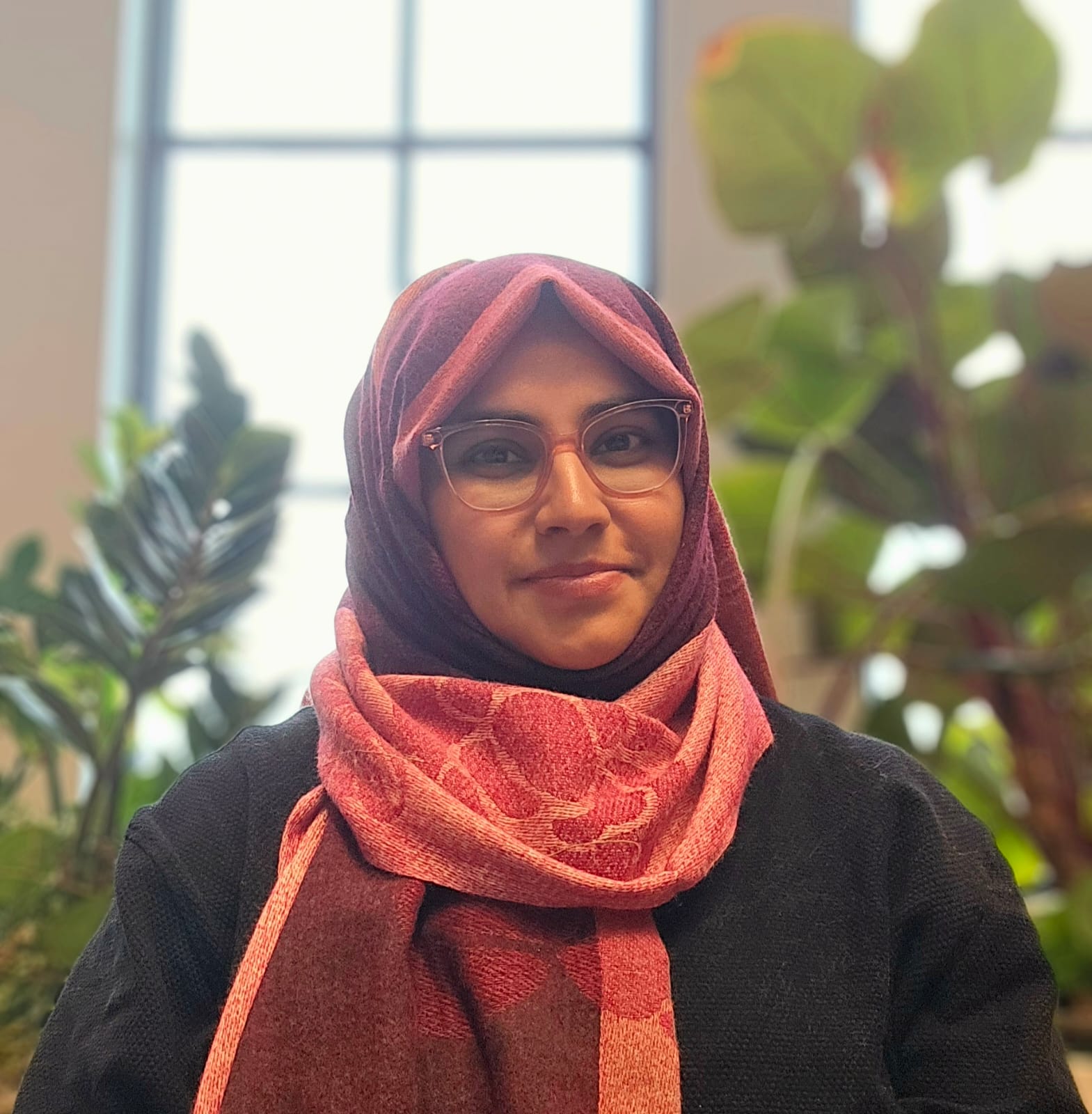

A soft skills facilitator is a corporate trainer who creates interactive learning experiences that build communication, teamwork, and leadership abilities. I've spent 15 years doing this work at companies like yours, moving teams from theory to real behavior change.
A soft skills facilitator is a corporate trainer who creates interactive learning experiences that build communication, teamwork, and leadership abilities. I've spent 15 years doing this work at companies like yours. We don't just teach concepts - we make people practice them until they stick.
Last month, I ran a session for a manufacturing company's leadership team. Their problem wasn't technical knowledge. It was how they talked to each other during high-pressure situations. The CEO told me, 'We need someone who can get my team to actually listen, not just nod.' That's what I do.
Most corporate training fails because it treats soft skills like information to download. I've seen it happen. A company brings in a speaker who talks for three hours about emotional intelligence. Everyone takes notes. Nothing changes on Monday morning.
What happens when you treat soft skills like hard skills?
You get compliance without competence. I worked with a financial services firm that made everyone take a communication course. They passed the test. But in meetings, they still talked over each other. The training checked a box without changing behavior.
Real facilitation creates discomfort. Not the bad kind, but the productive kind where people try new ways of interacting. In a session I ran for a pharma company last year, we had senior scientists role-playing difficult conversations. They hated it at first. By the third round, they were asking for more practice.
- Design activities that mirror real workplace challenges
- Create psychological safety so people can make mistakes
- Give immediate, specific feedback on behavior
- Follow up with coaching between sessions
Why do teams fail at implementing soft skills training?
They treat it as an event, not a process. One of my participants, a senior manager at an IT firm, told me, 'We did a great workshop six months ago. Everyone was excited. Then we went back to work and forgot everything.' That's the standard pattern.
According to the LinkedIn Workplace Learning Report 2025, only 12% of employees apply new skills from one-time training. The rest revert to old habits within weeks. I've seen this in my own work. That's why at MVIBE, we build reinforcement into every program.
What My Data Shows
83% retention
Teams that get follow-up coaching retain 83% more of what they learn compared to one-off workshops
47 days
It takes an average of 47 days of practice for a new communication behavior to become automatic
9:1 ratio
The most effective programs spend 9 hours on practice for every 1 hour of theory
I remember working with a sales team that kept losing deals at the final stage. Their product knowledge was excellent. Their presentation skills needed work. We didn't do a presentation skills lecture. We filmed them pitching. We played it back. They cringed. Then we worked on specific improvements.
What's the difference between teaching and facilitating?
Teaching gives answers. Facilitating creates questions. When I work with teams on conflict resolution, I don't start with techniques. I start with, 'What happens in your team when someone disagrees?' The answers tell me everything I need to design the right experience.
A Harvard Business Review study from 2024 found that facilitated learning creates 3.2 times more behavior change than traditional teaching. The researchers watched hundreds of training sessions. The ones that worked had trainers who asked more than they told.
- Stop talking after 20% of the time
- Use real cases from the participants' work
- Let them discover solutions through structured activities
- Resist the urge to be the expert with all answers
How do you measure soft skills improvement?
You measure behavior, not test scores. I worked with a retail chain that wanted better customer service. We didn't test their knowledge of customer service principles. We measured how many customers returned, how complaints decreased, and how staff handled difficult situations.
One store manager told me, 'I thought my team knew this stuff. Then I watched them actually deal with an angry customer. They froze.' That gap between knowing and doing is where facilitation lives. We closed that gap through repeated practice with increasing difficulty.
At mvibeon.com, we use a simple framework: Before the program, we identify 3-5 specific behaviors to change. During, we track attempts at those behaviors. After, we measure frequency and quality. It's not complicated. It just requires paying attention to what people actually do.
What most trainers teach vs What actually works
Most trainers teach communication models. What actually works is practicing specific conversations. Most trainers teach leadership theories. What actually works is getting feedback on actual leadership moments. Most trainers teach teamwork concepts. What actually works is solving real problems together.
I've sat through enough bad training to know the difference. The worst was a two-day program on 'synergistic collaboration.' Fancy words, zero practical application. The best was a simple session where teams had to build something with limited resources and communication barriers. They learned more in three hours than in that two-day theoretical marathon.
“If your team can't do it in the training room, they won't do it in the boardroom. Practice under pressure reveals what theory hides.”
A Gallup report from 2023 showed that companies investing in facilitated soft skills programs see 23% higher profit margins. But here's what they don't say: those programs worked because they were designed around real business problems, not generic skills.
I designed a program for a healthcare company that was expanding rapidly. Their managers were struggling with team cohesion. We didn't do generic team-building. We created scenarios based on their actual expansion challenges. They practiced having tough conversations about resource allocation. They role-played integrating new team members. It was messy. It was real.
- Identify the business problem first, not the skill gap
- Create simulations that match real workplace pressure
- Build in consequences for poor performance during practice
- Celebrate small behavioral wins immediately
One participant, a department head with twenty years experience, told me, 'I've been to leadership programs at fancy resorts. This was harder. But I actually learned something I can use tomorrow.' That's the goal. Not certificates. Not happy sheets. Actual use.
The McKinsey Global Institute found in 2024 that demand for social and emotional skills will grow by 26% in the next five years. But here's my take: demand for people who can actually develop those skills will grow even faster. Anyone can read a book on communication. Few can get a team to communicate better.
That's why at MVIBE, we don't just train teams. We train trainers. We show internal facilitators how to create these experiences. Because the best soft skills development happens continuously, not in occasional workshops. It happens when managers know how to facilitate growth in daily interactions.
I'm working with an engineering firm right now. Their technical excellence is unquestioned. Their project communication needs work. We're not doing a communication course. We're embedding facilitation skills into their project review meetings. The change is slower. But it's deeper. And it will last.
Frequently Asked Questions
How long does it take to see results from soft skills facilitation?
You'll see small changes immediately during the session. Real behavioral change takes 3-6 months of consistent practice. I measure progress in 30-day cycles. Each cycle should show improvement in specific, observable behaviors.
Can soft skills be taught to technical experts who resist 'touchy-feely' training?
Absolutely. I work with engineers, scientists, and finance professionals. The key is framing skills in their language. We don't talk about 'emotional intelligence.' We talk about 'data gathering from human sources' or 'optimizing team output through better communication protocols.'
What's the ideal group size for effective facilitation?
8-15 participants works best. Smaller than 8 lacks energy and diverse perspectives. Larger than 15 means some people won't get enough practice time. For larger teams, I break them into smaller groups with co-facilitators or run multiple sessions.
How do you handle participants who dominate discussions?
I use structured techniques that give everyone equal airtime. Timed rounds, talking tokens, or assigned roles ensure participation balance. Often, the dominators are trying to help. I redirect their energy into helping others contribute instead of contributing for them.
Do you customize programs for different industries?
Completely. A conflict resolution exercise looks different for hospital staff versus software developers. I spend time understanding your specific challenges, language, and culture. Generic programs don't work. That's why every MVIBE program starts with discovery.
How much should companies budget for soft skills facilitation?
Think in terms of investment per employee per year, not cost per workshop. Effective programs need initial training plus follow-up. A reasonable range is 1-2% of salary budget. Compare that to the cost of miscommunication, turnover, or failed projects.
What's the biggest mistake companies make when hiring a facilitator?
Choosing based on presentation skills instead of facilitation skills. A great speaker can entertain for an hour. A great facilitator creates change over months. Ask for case studies showing measurable behavior change, not just testimonials about how engaging they were.
Can online facilitation be as effective as in-person?
Yes, with the right design. I've run virtual programs that created more intimacy than some in-person sessions. The key is using technology intentionally - breakout rooms, digital whiteboards, and interactive polls. But it requires different facilitation skills than face-to-face.
After fifteen years in this work, I still get excited when a team has that 'aha' moment. Not when they understand a concept. When they actually do something differently. When a manager who always interrupted starts listening. When a team that avoided conflict starts addressing it directly. That's the work.
If you're tired of training that doesn't stick, visit mvibeon.com. Let's design something that actually changes how your team works. Not next quarter. Next week. Because the best time to build better soft skills was yesterday. The second best time is now.