
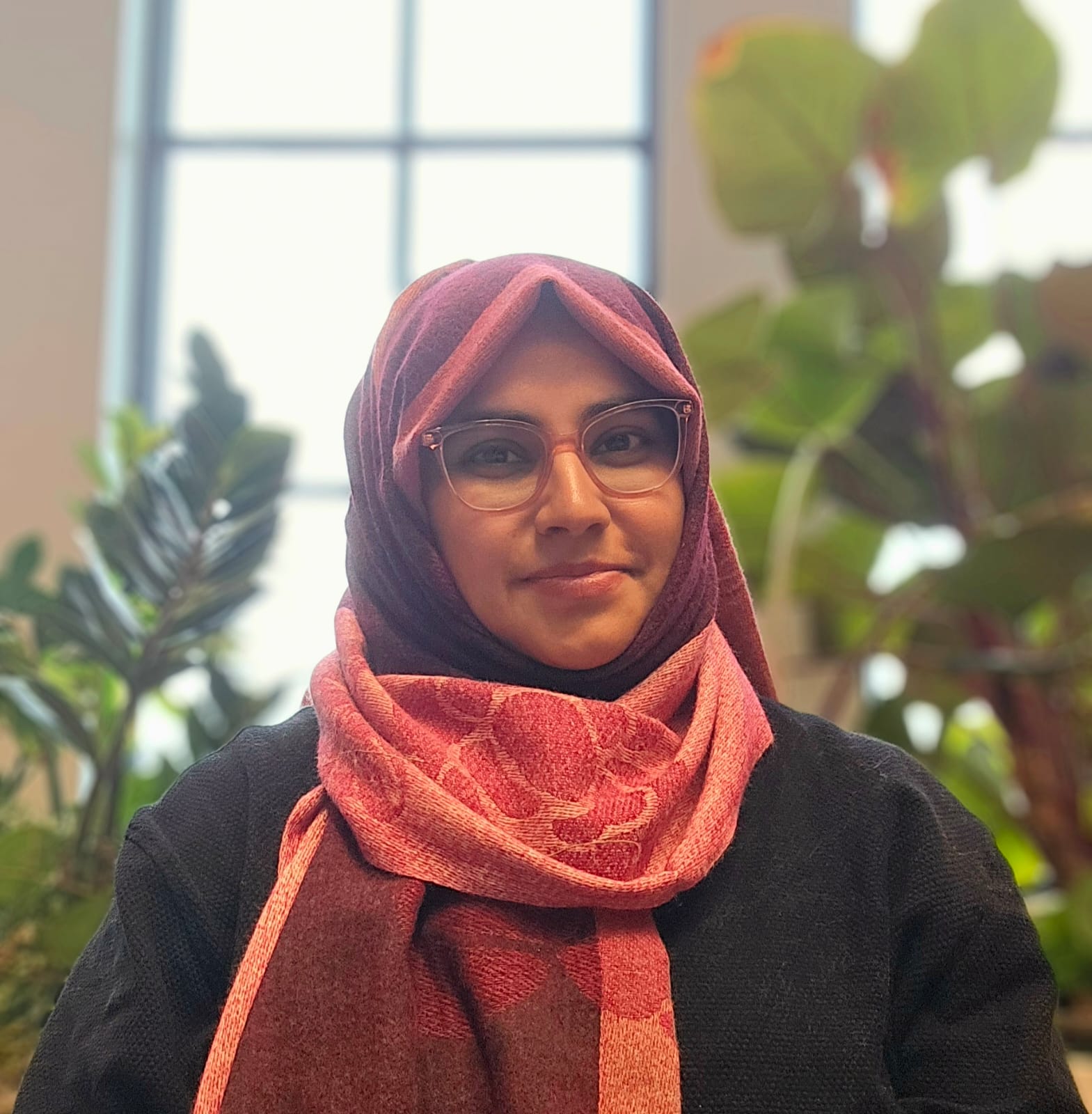

Soft skills training for college students means teaching interpersonal communication, teamwork, emotional intelligence, and professional etiquette that employers demand but classrooms ignore. I've spent 15 years fixing what college didn't teach.
Soft skills training for college students means teaching interpersonal communication, teamwork, emotional intelligence, and professional etiquette that employers demand but classrooms ignore. I've spent 15 years fixing what college didn't teach. Every time I walk into a corporate training room, I see fresh graduates who can code, analyze spreadsheets, and write reports -- but they can't handle a difficult conversation or give constructive feedback.
That gap is costing companies millions. A 2023 survey by the National Association of Colleges and Employers found that 86% of employers screen candidates for soft skills before technical skills. Yet most colleges still treat soft skills as an afterthought. I've seen brilliant engineers lose promotions because they couldn't present their ideas clearly. That's not their fault. It's a failure of the education system.
I run MVIBE, a corporate training firm that works with Fortune 500 companies and Indian enterprises. Over the years, I've developed a curriculum specifically for college students that bridges this gap. It's not theory. It's practice. We do role plays, real-time feedback, and simulations that mirror actual workplace scenarios.
What Happens When College Students Skip Soft Skills Training?
They get hired, but they struggle. I remember a participant from a top engineering college -- let's call him Raj. He aced every technical interview but bombed his first performance review because he couldn't receive feedback without getting defensive. His manager told me, 'If I had known, I would have hired someone with less technical skill but better attitude.'
That's the reality. Technical skills get you the interview; soft skills get you the job and keep you there. According to LinkedIn's 2024 Workplace Learning Report, 92% of talent professionals say soft skills matter as much or more than hard skills. Yet only 41% of companies have a formal soft skills training program. Most expect colleges to handle it.
Colleges don't. They focus on grades, placements, and rankings. Soft skills are seen as 'good to have' but not mandatory. I've met deans who admit their students lack communication skills but say there's no room in the curriculum. That's a cop-out. You can integrate soft skills into existing courses without adding new classes.
Why Do Teams Fail at Communication in Their First Year?
Because no one taught them how to listen. I run a session called 'The Listening Lab' where I ask participants to repeat what they heard before responding. Most get it wrong. They're too busy formulating their reply. In a training session for a Bangalore-based IT firm last year, a junior developer told me, 'I thought I was listening, but my manager said I always miss the point.'
Communication failures are the number one reason new hires fail within the first six months. A study by the Carnegie Institute of Technology showed that 85% of financial success comes from personality and ability to communicate, negotiate, and lead. Only 15% comes from technical knowledge. That study is from 1918, but it's still true today.
The fix is simple: teach active listening, assertiveness, and conflict resolution early. At MVIBE, we use a framework called the 'Communication Triangle' -- clarity, empathy, and intent. Students practice giving feedback using 'I' statements and checking understanding. It sounds basic, but it transforms how they work.
- Practice paraphrasing before responding in every conversation.
- Use 'I feel...' instead of 'You always...' to avoid blame.
- Ask clarifying questions like 'Can you give me an example?'
What Most Trainers Teach vs What Actually Works in Soft Skills Training for College Students?
Most trainers teach theory: here are the five types of listening, here's the Johari window, here's the communication model. Students nod, take notes, and forget everything the next day. What actually works is experiential learning. I don't lecture for more than 10 minutes. I put students in real-life scenarios.
For example, I run a negotiation simulation where one student is a customer demanding a refund, and the other is a manager with strict policies. They have to find a win-win. After the role play, we debrief. That's when the learning sticks. I've seen students have 'aha' moments when they realize their tone or body language changed the outcome.
Another difference: most trainers avoid giving direct feedback because they don't want to hurt feelings. I do the opposite. I tell students exactly what they did wrong and how to fix it. In a session for a management college in Mumbai, a student told me, 'No one has ever told me I interrupt people. Thank you.' That's the kind of honesty that changes behavior.
Key Data Points on Soft Skills Impact
86%
of employers screen for soft skills first (NACE, 2023).
92%
of talent professionals say soft skills are equally or more important than hard skills (LinkedIn, 2024).
85%
of financial success comes from soft skills (Carnegie Institute, 1918, still cited today).
Can Soft Skills Be Taught in a Semester?
Yes, but not the way most colleges try. A semester-long course with weekly lectures is useless. Soft skills require repetition, practice, and feedback. I design 8-week programs with weekly 90-minute sessions. Each week focuses on one skill: listening, giving feedback, managing emotions, presenting, negotiating, networking, resilience, and professional etiquette.
Students do homework: record themselves presenting, have a difficult conversation with a friend, or write a self-reflection. They bring their experiences to the next session. That's where the real learning happens. I had a student who practiced assertive communication with his father and reported back. The change in his confidence was visible.
But it requires commitment from the institution. Colleges that partner with us at MVIBE see results within one semester. Placements improve, feedback from recruiters improves, and students feel more prepared. One college reported a 30% increase in placement offers after introducing our soft skills program.
“Soft skills are not 'soft'. They are the hardest skills to master because they require you to change how you think and behave. That's why most people avoid them.”
How Do You Measure Soft Skills Training Effectiveness?
You can't use a multiple-choice test. I measure through behavior change. Before and after the program, we do a simulated group discussion and a one-on-one interview. We score based on clarity, listening, body language, and emotional control. The improvement is measurable. On average, participants improve by 40% across all metrics.
We also track placement success. Students who complete our training are 2.5 times more likely to get job offers in their first three interviews. That's not a coincidence. Recruiters can spot a candidate who has been trained versus one who hasn't. They look for eye contact, confidence, and the ability to answer behavioral questions.
Another metric: retention in the first job. Companies report that employees who went through soft skills training stay 18 months longer on average. That saves recruitment costs. A Gallup study from 2022 found that engagement and retention are directly linked to how well employees communicate with their managers.
- Pre- and post-training behavioral assessments.
- Placement rate and recruiter feedback.
- First-year retention and performance ratings.
What Is the Best Age for Soft Skills Training?
Ideally, start in school. But college is the last chance before the workplace. By age 20, habits are formed but still malleable. I've trained students as young as 16 and as old as 50. The ones in college are the most receptive because they're anxious about jobs. They know they're missing something.
I've also worked with executives who are 40 and struggling with the same issues. They wish they had learned this earlier. One senior manager told me, 'I've been told I'm too blunt my whole career. I thought it was my personality. Now I realize I can change.' That's why I'm passionate about reaching college students. It's preventive.
The earlier you learn to manage emotions, give feedback, and collaborate, the faster you grow. A Harvard Business Review article from 2019 noted that emotional intelligence is the strongest predictor of performance among entry-level employees. And emotional intelligence can be taught.
Frequently Asked Questions
What are soft skills for college students?
Soft skills are non-technical abilities like communication, teamwork, emotional intelligence, problem-solving, and professionalism. They help students succeed in jobs and life. Unlike hard skills, they are transferable across roles. Employers consistently rank them as top requirements.
Why is soft skills training important for college students?
Because technical skills alone don't guarantee job success. A 2023 LinkedIn report showed that 57% of senior leaders say soft skills are more important than hard skills. Students who lack soft skills struggle with interviews, teamwork, and career growth. Training bridges that gap.
Can soft skills be taught in college?
Yes, but only through practice, not lectures. Role plays, simulations, and real-world feedback are essential. Colleges can integrate soft skills into existing courses or offer dedicated workshops. MVIBE's programs are designed for busy academic schedules and show measurable results.
How long does it take to improve soft skills?
Noticeable improvement happens in 8-12 weeks with consistent practice. Skills like active listening can improve in days. Deeper changes like emotional regulation take longer. The key is repetition and feedback. A one-day workshop is not enough.
What are the most important soft skills for college students?
Communication, teamwork, emotional intelligence, adaptability, and professionalism. According to the World Economic Forum's 2025 Future of Jobs report, these will be the top skills employers seek. Students should focus on listening, giving feedback, and managing conflict.
How do I choose the right soft skills training program?
Look for programs with experiential learning, not just theory. Check if they offer real-time feedback, role plays, and measurable outcomes. Ask for testimonials from past participants. MVIBE's programs are customized for college students and include pre- and post-assessments.
Are online soft skills courses effective?
They can be, but only if they include interactive elements like live sessions, group activities, and peer feedback. Pre-recorded videos alone won't change behavior. At MVIBE, we offer blended programs with live coaching and digital resources for practice.
What is the cost of soft skills training for college students?
Costs vary widely. Group workshops range from $50 to $200 per student for a semester program. Some colleges subsidize it. At MVIBE, we offer scalable options based on batch size and customization. The ROI is high: better placements and faster career growth.
I've seen students transform from shy and anxious to confident and articulate in just a few months. One student from a rural college in Tamil Nadu couldn't make eye contact in our first session. By the end of the program, she led a group presentation and her team won the best project award. She later got a job at a top consulting firm.
That's why I do this work. Soft skills training for college students isn't a 'nice to have.' It's a necessity. If you're a college administrator, a student, or a parent reading this, I urge you to take action. Don't wait until the first job rejection. Start now.
At MVIBE, we offer corporate training programs specifically designed for college students. We work with institutions to integrate soft skills into their curriculum. Our trainers are industry veterans with real-world experience. We don't just teach. We coach. Visit mvibeon.com to learn more about our programs.